

 ITA
ITA  ENG
ENG SPAN
SPAN FR
FR NL
NL GER
GER FI
FI

 ENG
ENG  ITA
ITA BIM and Facility Management: role and advantages of BIM software in maintenance
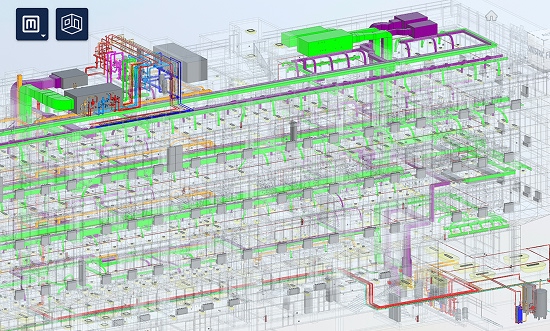
BIM and Facility Management: a strategic synergy for building management
Efficient building management is now a priority for companies, public bodies, and property managers. The integration between BIM (Building Information Modeling) and Facility Management represents a turning point in the maintenance and enhancement of real estate assets. BIM software allows for optimizing processes, reducing costs, and improving service quality, transforming maintenance into a strategic and proactive activity.
What is BIM and why it is fundamental for Facility Management
BIM is a digital methodology that allows for the creation of an information model of the building, containing geometric, technical, and management data. This model accompanies the entire life cycle of the property, from design to demolition. In Facility Management, BIM becomes a key tool to centralize information, guarantee real-time updates, and support rapid and informed decisions during ordinary and extraordinary maintenance.
The role of BIM in maintenance: from data to operational value
Thanks to BIM, all information about assets (systems, structures, components) is collected in a single digital model, always accessible and updated. This allows for:
- Visualize the status of systems and equipment in real-time
- Plan preventive and corrective maintenance interventions with greater precision
- Reduce errors and information search times
- Monitor costs and asset performance
The quality and reliability of the data translate into operational efficiency and more sustainable and safe building management.
Main advantages of BIM software in maintenance
The adoption of BIM software for Facility Management offers numerous concrete benefits. Here are the most relevant:
- Reduction of costs and intervention times: the availability of updated data allows for optimizing resources and intervening promptly, avoiding waste and delays.
- Better planning and predictive maintenance: BIM allows for scheduling activities based on the real state of the assets, reducing unforeseen failures and extending the useful life of the systems.
- Optimization of resources and spaces: centralized information management facilitates space management and efficient allocation of technical and human resources.
- Greater collaboration between teams: the BIM model is accessible to all stakeholders, promoting communication and coordination between maintenance workers, technicians, and managers.
- Support for sustainability and energy saving strategies: BIM data helps monitor consumption, identify inefficiencies, and implement energy improvement actions.
These advantages translate into greater competitiveness, economic savings, and enhancement of real estate assets.
Integration between BIM and Facility Management systems (CMMS/CAFM)
BIM software integrates easily with maintenance management platforms such as CMMS (Computerized Maintenance Management System) and CAFM (Computer Aided Facility Management). This integration allows for:
- Automate workflows between digital model and operational management
- Synchronize data on assets, tickets, and interventions
- Guarantee interoperability thanks to standards like COBie
The result is integrated and digital management, which reduces manual errors and improves the traceability of maintenance activities.
Digital Twin: the evolution of BIM for intelligent maintenance
The Digital Twin represents the evolution of BIM, integrating real-time data from IoT sensors and monitoring systems. This allows for:
- Monitor asset status in real-time
- Simulate maintenance and management scenarios
- Implement predictive maintenance strategies based on objective data
The Digital Twin approach transforms maintenance into a proactive and data-driven process, increasing safety, efficiency, and sustainability.
Focus: how UTwin enhances BIM and maintenance
UTwin is an innovative platform that integrates BIM, Digital Twin, and CMMS into a single solution. Main benefits for building management and maintenance include:
- Centralization of data and immediate access to information
- Ease of use and intuitive interface
- Plug&play integration with existing systems via API
- Rapid onboarding for implementation without complexity
UTwin responds to the needs of those seeking digital and interoperable maintenance management, maximizing the potential of BIM.
Future prospects and strategic benefits
The adoption of BIM and Digital Twin software represents a strategic investment for efficient, sustainable, and innovative building management. Organizations that focus on these technologies obtain concrete savings, greater safety, and long-lasting enhancement of real estate assets.


Informative Material