

 ITA
ITA  ENG
ENG SPAN
SPAN FR
FR NL
NL GER
GER FI
FI

 ENG
ENG  ITA
ITA Baratono Decree: what it says and what it has to do with BIM
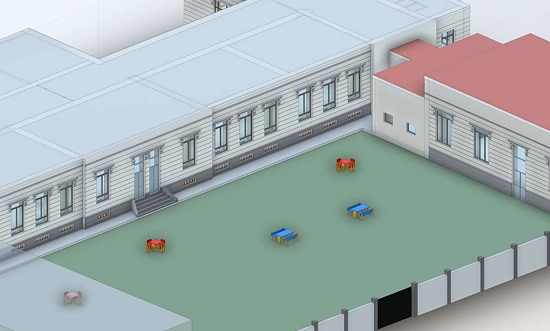
Digitalization and regulations in the Italian construction industry
Digitalization is revolutionizing the construction sector, pushing towards more efficient, transparent, and collaborative processes. In this scenario, Italian legislation has introduced tools and obligations to encourage the adoption of innovative technologies. The Baratono Decree represents a fundamental stage for the spread of BIM (Building Information Modeling) in public tenders, marking the transition from traditional project management to digital and integrated information management.
What is the Baratono Decree (DM 560/2017)
The Baratono Decree, officially DM 560/2017, is the provision issued by the Ministry of Infrastructure and Transport that establishes the methods and timing for the mandatory introduction of BIM in Italian public tenders. It takes its name from Angelo Baratono, president of the commission that drafted the decree. The main objective is to promote the digitalization of design, construction, and management processes of public works, ensuring greater transparency, control, and quality through the use of digital information models.
What the Baratono Decree provides: obligations and deadlines
The Baratono Decree introduces the progressive obligation to use BIM in public tenders, based on the amount of the works. The deadlines were defined to allow for a gradual transition:
- From January 1, 2019: works amounting to 100 million euros or more
- From January 1, 2020: works amounting to 50 million euros or more
- From January 1, 2021: works amounting to 15 million euros or more
- From January 1, 2022: works amounting to 5.225 million euros or more
- From January 1, 2023: works amounting to 1 million euros or more
- From January 1, 2025: all works amounting to less than 1 million euros
Contracting authorities must therefore adapt to these timelines, equipping themselves with tools and skills for digital project management.
BIM according to the Baratono Decree: definitions and tools
The Decree defines BIM as the set of digital methodologies, tools, and processes for managing information related to a work throughout its life cycle. Required are:
- Digital information models for design, construction, and management
- Interoperable platforms for data sharing
- Collaborative processes among all parties involved
The goal is to ensure integrated and transparent information management, reducing errors, time, and costs.
Information Specifications and contractual prevalence
The Information Specification is the document that specifies the information and digital requirements requested by the contracting authority. Initially integrated into the tender documentation, with regulatory updates it has become an autonomous and central document in BIM management.
The Decree also introduces the principle of contractual prevalence:
- Transitional phase: paper documentation prevails, provided it is consistent with the digital model
- Mandatory phase: the electronic model prevails, if technically feasible
This principle ensures clarity and certainty in contractual relationships and information management.
The relationship with technical standards (UNI 11337 and openBIM)
The Baratono Decree does not explicitly mention the UNI 11337 standard, which represents the Italian standard for the digital management of construction information processes. This omission has sparked debate among operators and industry associations. However, the adoption of openBIM standards and interoperability between platforms remains fundamental elements to guarantee efficiency and transparency in public projects.
Updates: DM 312/2021 and news for BIM
DM 312/2021 updated the Baratono Decree, introducing:
- New definitions (information model, information management plan, information offer)
- Greater flexibility for contracting authorities, who can adopt BIM even if only programmed
- New post-pandemic deadlines for mandatory BIM
- Information Specification as an autonomous document
- Award criteria for the use of BIM in tenders
These innovations strengthen the path of digitalization and reward the most innovative contracting authorities.
Practical impacts for operators and contracting authorities
The entry into force of the Baratono Decree and its updates involves concrete changes for those operating in the sector:
- Mandatory training for technical staff
- Adoption of digital platforms for BIM data management
- Drafting and management of the Information Specification
- Centralization and traceability of information
- Advantages: greater control, reduction of errors, transparency, process efficiency
- Criticalities: need for investment in technology and skills, organizational change management
Contracting authorities that adapt promptly can obtain reward points and improve the quality of projects.
How digital solutions (like UTwin) support compliance and innovation
Digital platforms like UTwin allow for the centralization of BIM data, integrated management of project information, and facilitation of collaboration between all parties involved. Thanks to compliance with openBIM standards and ease of integration with other systems, these solutions help organizations comply with regulations, optimize processes, and accelerate the digital transition required by the Baratono Decree.
Useful resources and future perspectives
The Baratono Decree marked a turning point in the digitalization of public construction in Italy. Staying updated on regulatory developments and adopting advanced digital tools is essential to seize all the opportunities offered by BIM. For further information, it is recommended to consult the reference legislation, technical guides, and informative materials from industry associations.


Informative Material