

 ITA
ITA  ENG
ENG SPAN
SPAN FR
FR NL
NL GER
GER FI
FI

 ENG
ENG  ITA
ITA BIM and Digital Twin: what they are, differences and how they interact in all phases
Digitalization in the construction sector: why BIM and Digital Twin are fundamental
Digitalization is revolutionizing the construction and real estate management sector. BIM and Digital Twin represent two pillars of this transformation, offering advanced tools to design, build, and manage buildings and infrastructure more efficiently, safely, and sustainably. Understanding their differences and synergies is essential for anyone operating in the sector.
What is BIM (Building Information Modeling)
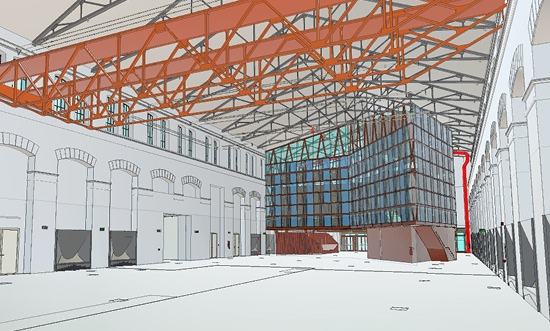
BIM is a methodology that allows for the creation of a 3D digital model of a building, integrating geometric, technical, and functional data. The BIM model accompanies all design and construction phases, facilitating collaboration between architects, engineers, and contractors. Among the main advantages of BIM are:
- Interdisciplinary coordination between different project actors
- Reduction of errors and interferences on the construction site
- Simulations and analysis for structural, energy, and sustainability purposes
- Centralized documentation that is always updated
What is a Digital Twin
The Digital Twin is a dynamic digital replica of a physical asset, updated in real-time thanks to sensors, IoT, and monitoring systems. This virtual model reflects the current state of the building and allows for:
- Monitor property performance and conditions in real-time
- Simulate scenarios and predict future behaviors
- Optimize operational management and maintenance
- Support strategic decisions based on updated data
Key differences between BIM and Digital Twin
Although complementary, BIM and Digital Twin have substantial differences:
- BIM is static and focuses on design and construction
- Digital Twin is dynamic and updates in real-time during management
- BIM manages design and construction data; Digital Twin also integrates operational and performance data
- Digital Twin leverages sensors, IoT, and artificial intelligence for predictive analysis and optimization
How BIM and Digital Twin interact in the building life cycle
BIM and Digital Twin are not alternative technologies, but synergistic tools that integrate throughout the entire building life cycle. The BIM model represents the information base on which the Digital Twin is built. Once the design and construction phase is completed, BIM data is transferred and enriched with real-time information from sensors and management systems.
This information continuity allows for:
- Transform the static model into an operational and predictive tool
- Constantly monitor the state of the building
- Manage maintenance proactively
- Optimize consumption and occupant comfort
The integration between BIM and Digital Twin guarantees intelligent management and continuous enhancement of the real estate asset.
Practical applications in different phases: from design to management
The combined use of BIM and Digital Twin offers concrete advantages in every phase of a building's life cycle:
- Design: BIM allows for clash detection, energy simulations, structural analysis, and integrated design across all disciplines.
- Construction: the BIM model guides work planning, material management, and the reduction of site errors.
- Operational Management: the Digital Twin allows real-time monitoring of systems, consumption, and environmental conditions, facilitating predictive maintenance.
- Maintenance: thanks to the data collected by the Digital Twin, it is possible to anticipate failures, optimize interventions, and reduce management costs.
- Energy Optimization: data analysis allows for identifying waste and improving system efficiency.
- Re-layout and space adaptation: virtual simulation allows for testing changes without real impacts, improving environment flexibility.
- IoT Monitoring: integration with sensors and smart devices offers constant control over safety, comfort, and performance.
Advantages of BIM + Digital Twin integration for professionals and companies
The joint adoption of BIM and Digital Twin brings tangible benefits:
- Operational efficiency and reduction of intervention times
- Cost savings on management and maintenance
- Better decision-making process thanks to always updated data
- Predictive maintenance and reduction of system downtime
- Environmental sustainability and consumption optimization
- Effective collaboration between technical and management teams
Challenges and criticalities in adopting these technologies
Despite the advantages, the integration of BIM and Digital Twin presents some criticalities:
- High initial investments for technology and training
- Need for specific and updated skills
- Interoperability between systems and standards still evolving
- Data management and quality as a critical success factor
UTwin: a concrete example of BIM and Digital Twin integration
UTwin represents an innovative platform that integrates BIM, Digital Twin, and CMMS in a single digital environment. Thanks to UTwin, it is possible to:
- Centralize all data related to the building and its components
- Monitor in real-time the status of systems and spaces
- Manage maintenance in a simple and intuitive way
- Facilitate onboarding and adoption thanks to a user-friendly interface
- Guarantee interoperability with other systems and IoT devices
UTwin is a concrete example of how the synergy between BIM and Digital Twin can transform building management, making it more efficient, safe, and sustainable.
The future of real estate management is digital
The integration between BIM and Digital Twin represents the key to intelligent and sustainable building management. Investing in these technologies means preparing for future challenges and enhancing your real estate assets in an innovative way.


Informative Material