

 ITA
ITA  ENG
ENG SPAN
SPAN FR
FR NL
NL GER
GER FI
FI

 ENG
ENG  ITA
ITA Operation and maintenance: meaning, advantages and applications in BIM
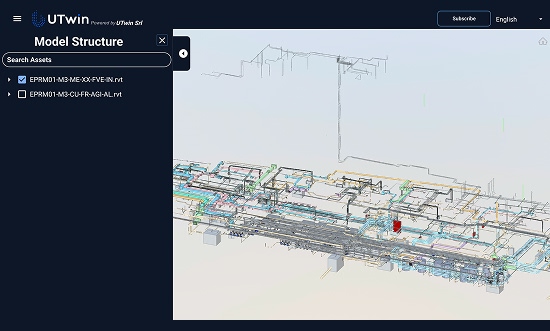
Operation and Maintenance: the digital management of buildings
In a building's life cycle, the Operation and Maintenance (O&M) phase represents the longest and most strategic period. Managing this phase efficiently means ensuring the functionality, safety, and value of the asset over time. Integration with BIM (Building Information Modeling) and digital technologies is revolutionizing real estate management, making processes more transparent, traceable, and sustainable.
Operation and Maintenance: meaning and differences compared to traditional maintenance
Operation and Maintenance indicates the set of activities and processes aimed at ensuring the optimal functioning of a building or infrastructure throughout its life cycle. It is not just about maintenance (repairs, replacements, checks), but an integrated management that includes:
- Constant monitoring of performance
- Planning of preventive and corrective activities
- Documentary and administrative management
- Optimization of costs and resources
Compared to traditional maintenance, O&M is based on digitized processes and a strategic vision of the asset, aiming to extend its useful life and enhance the investment.
The role of BIM in the O&M phase
BIM is a methodology that allows for creating, managing, and updating a digital information model of the building. In the Operation and Maintenance phase, BIM translates into the Asset Information Model (AIM): a model that collects all updated and useful information for asset management.
- Centralized data: all technical, documentary, and operational information is accessible in a single digital environment
- Traceability: every intervention, modification, or update is recorded and historicized
- Collaboration: different actors (facility managers, maintenance technicians, administrators) can work in a coordinated and transparent way
- Integration with other systems: BIM communicates with management software (CMMS), IoT sensors, and monitoring platforms
BIM in the O&M phase allows for optimizing the daily and strategic management of buildings, reducing errors, times, and costs.
Advantages of O&M + BIM integration
The integration between Operation and Maintenance and BIM offers numerous concrete advantages for asset management:
- Operational efficiency: immediate access to updated data, procedures, and manuals
- Cost reduction: optimal planning of activities, reduction of downtime and emergencies
- Resource optimization: intelligent management of personnel, materials, and suppliers
- Sustainability improvement: monitoring of energy consumption and environmental performance
- Decision support: predictive analysis and advanced reporting for strategic choices
- Error reduction: elimination of redundancies and obsolete information
- Greater safety: precise management of deadlines, checks, and regulations
Adopting BIM in O&M means transforming building management into a data-driven process, oriented towards value, efficiency, and sustainability.
Enabling tools and technologies: CMMS, Digital Twin and IoT
For truly advanced O&M management, BIM integrates with advanced digital tools:
- CMMS (Computerized Maintenance Management System): software that allows you to manage tickets, plan interventions, track costs and deadlines. Integration with BIM allows each activity to be associated with the digital model, improving precision and timeliness.
- Digital Twin: dynamic digital replica of the building, updated in real time thanks to data from sensors and IoT systems. The Digital Twin allows simulations, predictive analysis, and continuous monitoring of asset conditions.
- IoT (Internet of Things): connected sensors and devices that collect data on consumption, temperatures, plant status. This information feeds the BIM and Digital Twin, enabling predictive maintenance and energy optimization.
The integration of these technologies allows for proactive and intelligent building management, reducing waste and maximizing investment value.
Practical applications and use cases
Digital O&M finds application in numerous areas of real estate management. Here are some examples:
- Preventive maintenance: automatic planning of interventions based on real and historical data
- Energy monitoring: consumption analysis and identification of anomalies to reduce waste
- Ticketing management: opening, assignment, and closing of reports directly from the BIM model
- Re-layout simulation: evaluation of the impacts of changes to spaces without interrupting activities
- Operational activity optimization: dynamic allocation of resources based on priorities and urgencies
These applications demonstrate how O&M + BIM integration improves efficiency, control, and quality in building management.
Challenges, critical issues and best practices
Adopting a digital approach to O&M entails some challenges:
- Data quality and updates: fundamental to keep the BIM model always aligned with reality
- Interoperability: ensuring communication between different software and systems
- Staff training: developing digital and managerial skills
- Adoption of standards: following regulations such as ISO 19650 and UNI to ensure consistency and quality
Best practices include defining clear processes, choosing interoperable platforms, and continuously updating skills.
UTwin: example of an integrated platform for digital O&M
UTwin is an all-in-one platform that integrates BIM, Digital Twin, and CMMS for digital building management. The main advantages include:
- Native integration with BIM models and IoT data
- Centralized management of assets, maintenance, and documentation
- Fast onboarding and intuitive interface
- Open APIs for integration with other business systems
- Real-time monitoring and predictive analysis for more effective decisions
UTwin represents a concrete solution for those who want to digitize O&M management and achieve efficiency, control, and sustainability in every phase of the building's life cycle.
Digital O&M: benefits and future perspectives
The integration between Operation and Maintenance and BIM marks a turning point in building management: more efficiency, less waste, greater value. The future focuses on digitization, sustainability, and artificial intelligence for increasingly smart, connected, and high-performing buildings.


Informative Material