

 ITA
ITA  ENG
ENG SPAN
SPAN FR
FR NL
NL GER
GER FI
FI

 ENG
ENG  ITA
ITA BIM: what is it? Meaning of the acronym, how modeling works and advantages
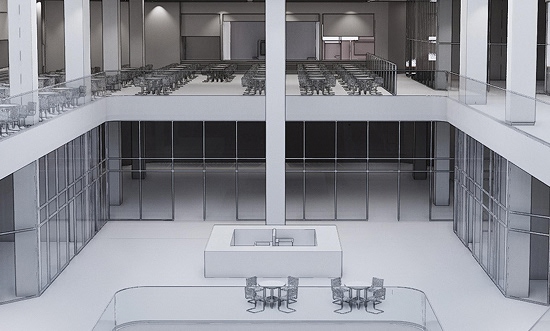
BIM: the digital revolution in the construction sector
BIM represents one of the most significant innovations in the world of construction and real estate management. Thanks to this methodology, designers, builders, and managers can collaborate more efficiently, reducing errors and optimizing time and costs. Understanding the meaning of BIM and how it works is essential today for anyone operating in the construction sector.
Meaning of the acronym BIM
BIM stands for Building Information Modeling. This term indicates an integrated approach that combines the three-dimensional digital representation of a building with all the information useful for its design, construction, and management. According to the ISO 19650 standard, BIM is the 'use of a shared digital representation of a built asset to facilitate decision-making processes during its life cycle'.
What is BIM: methodology, not just software
BIM is not just software, but a collaborative work methodology involving all actors in the construction process. Unlike traditional CAD, which is limited to graphic representation, BIM integrates data and information useful for every phase of the building's life cycle. This approach allows for centralizing information, improving communication between professionals, and ensuring greater consistency between design, construction, and management.
How BIM modeling works
BIM modeling is based on the creation of a 3D digital model of the building, enriched with specific data relating to materials, systems, costs, energy performance, and maintenance. The process involves:
- Integrated design: architects, engineers, and other professionals work on a single shared model.
- Data integration: each element of the model contains detailed information (dimensions, materials, costs, performance).
- Interdisciplinary collaboration: the BIM model promotes communication among all parties involved, reducing errors and conflicts.
- Simulations and analysis: it is possible to carry out energy, structural, and system simulations already in the design phase.
- Management and maintenance: the BIM model remains useful even after construction, supporting building management and maintenance.
BIM modeling allows for anticipating critical issues, optimizing resources, and ensuring higher quality of the final result.
BIM maturity levels
The adoption of BIM occurs according to different levels of maturity:
- Level 0: traditional management of 2D drawings without digital collaboration.
- Level 1: use of 3D models, but with low data integration.
- Level 2: collaboration between teams through shared models and structured data exchange.
- Level 3: total data integration and real-time collaboration on cloud platforms.
Moving up a level means increasing the quality, transparency, and efficiency of processes.
Advantages of BIM
The adoption of BIM offers numerous concrete advantages for all actors involved:
- Error reduction: data sharing and automatic interference checking minimize unforeseen events on the construction site.
- Efficiency and savings: time and costs are optimized thanks to more accurate planning and centralized information management.
- Sustainability: BIM allows for evaluating energy and environmental performance already in the design phase, favoring more sustainable choices.
- Better management and maintenance: the digital model provides useful data for scheduled maintenance and building management over time.
- Enhanced collaboration: all professionals work on a single model, improving communication and project quality.
Adopting BIM means investing in quality, safety, and innovation.
Regulations and obligations in Italy
In Italy, the use of BIM has become mandatory for public tenders above certain economic thresholds. The reference regulation is the BIM Decree (DM 560/2017), which establishes the timing and methods for the progressive adoption of BIM in public procurement. Staying updated on regulations is essential for operating in the public and private sectors.
Interoperability and openBIM
A key aspect of BIM is interoperability, which is the ability of different software to communicate with each other. The adoption of open formats such as IFC (Industry Foundation Classes) guarantees data sharing among all parties, regardless of the tools used. The openBIM approach promotes collaboration and transparency in every phase of the project.
Most popular BIM tools and software
To work in BIM, there are several specialized software options, including:
- Revit
- ArchiCAD
- Bentley Systems
- Navisworks
- Solibri
The choice of tool depends on the specific needs of the project and compatibility with collaborative workflows.
BIM and integrated platforms: the added value
Integrating BIM with advanced digital platforms allows for centralizing all data related to buildings and infrastructure, simplifying management and improving information quality. Solutions like digital twin platforms allow for real-time monitoring of asset status, optimizing maintenance, and fostering collaboration among all actors involved. An integrated approach represents a decisive competitive advantage for those in the sector today.
Why adopt BIM today
BIM means innovation, efficiency, and sustainability. Investing in this methodology allows for tackling the challenges of the construction sector with cutting-edge tools, improving project quality and building management over time. The future of construction is digital: BIM is the key to building it.


Informative Material